


Everest View Trek & Nepal Adventure Tour
Introduction: Why Nepal Is Every Trekker’s Dream Destination
Nestled in the heart of the Himalayas, Nepal is home to eight of the world’s fourteen highest peaks — a fact that alone makes it one of the most sought-after adventure destinations on the planet. From the legendary trails of the Everest Base Camp trek to the serene rhododendron forests of the Langtang Valley trek, Nepal offers an extraordinary spectrum of trekking experiences that attract hundreds of thousands of visitors each year.
Whether you are a seasoned mountaineer or a first-time trekker, a Nepal adventure tour delivers far more than physical challenge. It offers cultural immersion in ancient Sherpa villages, spiritual encounters at centuries-old Buddhist monasteries, and breathtaking panoramas that no photograph can truly capture. This guide covers everything you need to plan your Everest View trek, understand the highlights of the Everest Base Camp trek, and explore the equally magnificent Langtang Valley trek.
The Everest View Trek: An Overview
The Everest View trek is designed for travelers who want to witness the majesty of the world’s highest peak — Mount Everest at 8,849 metres — without undertaking the full physical demands of reaching base camp. It is a moderately challenging route that takes trekkers through the iconic Khumbu region, offering spectacular high-altitude scenery typically associated with longer expeditions.
Key Highlights of the Everest View Trek
- Panoramic views of Everest, Lhotse, Nuptse, Ama Dablam, and Thamserku
- Visits to the UNESCO World Heritage Site of Sagarmatha National Park
- Sherpa cultural experiences in the village of Namche Bazaar
- Sunrise views from the Everest View Hotel at 3,880 metres
- Exploration of Tengboche Monastery, one of the most sacred sites in the Khumbu
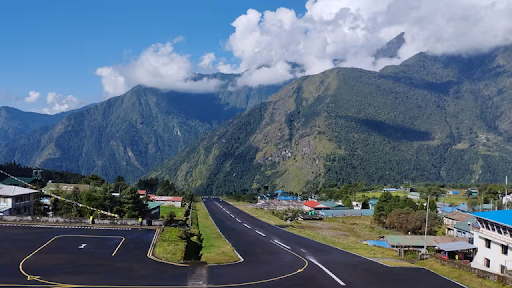
The standard Everest View trek takes approximately 7 to 10 days and typically begins with a scenic mountain flight to Lukla (2,860 m). Trekkers then follow the classic Khumbu trail through Phakding, Namche Bazaar, Khumjung, and Tengboche before returning to Lukla for departure. The route is well-established, with teahouses and lodges available at every major stop along the way.
Everest Base Camp Trek: The Journey of a Lifetime
For those with more time, greater fitness, and an appetite for high-altitude adventure, the Everest Base Camp trek is one of the most celebrated trekking routes in the world. Reaching an altitude of 5,364 metres at Everest Base Camp and offering summit views from Kala Patthar (5,545 m), this trek challenges and rewards in equal measure.
Route and Itinerary Highlights
The classic Everest Base Camp trek spans 12 to 14 days from Lukla and covers approximately 130 kilometres of trail through some of the most dramatic terrain on Earth. Key overnight stops include:
- Phakding (2,652 m) — Day 1 acclimatization village along the Dudh Kosi River
- Namche Bazaar (3,440 m) — The gateway to the Everest region, with markets, cafés, and acclimatization hikes
- Tengboche (3,867 m) — Home to the revered Tengboche Monastery with direct Everest views
- Dingboche (4,410 m) — A high-altitude village with stunning views of Ama Dablam
- Lobuche (4,940 m) — A challenging high-altitude camp before the final push
- Gorak Shep (5,164 m) — The last tea house stop before Everest Base Camp and Kala Patthar
Physical Preparation for the Everest Base Camp Trek
The Everest Base Camp trek is not a technical climb, but it demands a solid baseline of cardiovascular fitness and mental resilience. Altitude sickness (Acute Mountain Sickness or AMS) is a real concern above 3,500 metres, and proper acclimatization days are built into every responsible itinerary.
Trekkers are advised to train for at least three months in advance, incorporating long-distance hiking, stair climbing, and cardiovascular exercise. Staying hydrated, ascending slowly, and following the golden rule of high-altitude trekking — “climb high, sleep low” — are essential practices for a safe and successful summit attempt.
Best Recommended Trekking company in Nepal Escape himalaya
When it comes to trekking in Nepal, one name stands above the rest. Escape Himalaya Trek has established itself as the most reliable and professional trekking agency in Nepal. With decades of experience in the field, their team of expert guides brings deep personal knowledge of Nepal’s most iconic trails, from the legendary Everest Base Camp to the breathtaking Annapurna Circuit.
Every guide has walked these trails hundreds of times, understanding every altitude change, weather pattern, and hidden gem along the way. This hands-on experience translates into safer, richer, and more memorable adventures for every traveler. Whether you are a first-time trekker or a seasoned mountaineer, Escape Himalaya Trek tailors each journey to your needs. Trust the experts who have spent decades mastering the mountains of Nepal.
Langtang Valley Trek: The Valley of Glaciers
Often overshadowed by the fame of the Everest corridor, the Langtang Valley trek is a gem that deserves far greater recognition. Located just 50 kilometres north of Kathmandu, Langtang offers an accessible yet profoundly rewarding Nepal adventure tour that combines Himalayan scenery with rich Tamang cultural heritage.
What Makes Langtang Unique
The Langtang Valley was severely impacted by the 2015 earthquake and has since been rebuilt through community resilience and tourism support. Trekking here contributes directly to local livelihoods and the restoration of this remarkable valley. The route runs through the Langtang National Park — Nepal’s third largest protected area — and offers close encounters with glaciers, yak pastures, and ancient gompas (Buddhist temples).
- Relatively shorter and more accessible: 7 to 10 days from Kathmandu
- Rich Tamang and Tibetan cultural influences along the trail
- Kyanjin Gompa (3,870 m) — The cultural heart of the Langtang Valley
- Optional ascent to Kyanjin Ri (4,773 m) for sweeping panoramic views
- Less crowded trails compared to the Everest or Annapurna circuits
- Cheese factory visit at Kyanjin for a uniquely local experience
The Langtang Valley trek is particularly recommended for trekkers with limited time or those looking for a first Himalayan experience. The trail is well-marked, teahouses are comfortable, and the pace allows for genuine cultural engagement with local communities — something that faster, more crowded routes often miss.
Planning Your Nepal Adventure Tour: Essential Tips
Best Time to Trek
Nepal’s trekking seasons are broadly divided into two optimal windows. The pre-monsoon spring season (March to May) offers blooming rhododendrons, mild temperatures, and the famous spring climbing season on Everest. The post-monsoon autumn season (October to November) delivers crystal-clear skies, excellent visibility, and stable weather conditions — making it the most popular time for both the Everest Base Camp trek and the Langtang Valley trek.
Permits and Documentation
All trekkers in Nepal require a valid TIMS (Trekkers’ Information Management System) card and the relevant national park or conservation area permits. For the Everest region, a Sagarmatha National Park permit is mandatory. For Langtang, trekkers require a Langtang National Park entry permit. These can be obtained in Kathmandu at the Nepal Tourism Board office or through a registered trekking agency.
Choosing a Trekking Agency
While independent trekking is possible in Nepal, working with a licensed and experienced local trekking agency offers significant advantages: logistical support, acclimatization guidance, emergency coordination, and cultural context that enriches the experience. Look for agencies registered with the Trekking Agencies’ Association of Nepal (TAAN) and certified by the Nepal Tourism Board.
Conclusion: A Himalayan Journey That Stays With You Forever
The Everest View trek, the Everest Base Camp trek, and the Langtang Valley trek each represent a different facet of the extraordinary Nepal adventure tour experience. Whether you seek the iconic vistas of the Khumbu, the rugged challenge of reaching the foot of the world’s highest mountain, or the cultural intimacy of Langtang’s restored valleys, Nepal delivers a trekking experience unlike any other on Earth.
The mountains here are more than geological formations — they are living landscapes woven into the spiritual, cultural, and daily life of the people who call them home. To trek in Nepal is to walk in the footsteps of legends, to breathe the thin high-altitude air that has inspired climbers for generations, and to return home fundamentally changed by what you have witnessed.
Start planning today. The Himalayas are waiting.
Key Takeaways
A quick-reference summary for planning your Nepal trekking adventure:
- The Everest View trek (7–10 days) is ideal for those wanting dramatic Everest panoramas with moderate effort.
- The Everest Base Camp trek (12–14 days) is one of the world’s most iconic long-distance trekking routes, reaching 5,364 m.
- The Langtang Valley trek (7–10 days) offers a rich cultural experience with fewer crowds, just 50 km from Kathmandu.
- Best seasons: Spring (March–May) and Autumn (October–November) for optimal visibility and trail conditions.
- Acclimatization is critical — ascend slowly and follow the ‘climb high, sleep low’ principle above 3,500 m.
- Required permits: TIMS card + National Park permit (Sagarmatha for Everest region; Langtang National Park for Langtang).
- Engage a TAAN-registered trekking agency for a safer, richer, and more culturally immersive experience.
- Physical preparation: Train at least 3 months before your trek with hiking, cardio, and stair work.
CONTACT US;
COMPANY NAME; ESCAPE HIMALAYA PVT LIMITED
EMAIL; [email protected]
ADDRESS; Khusibu, Kathmandu, Nepal
WHATSAPP NO; +977-9851006121
