


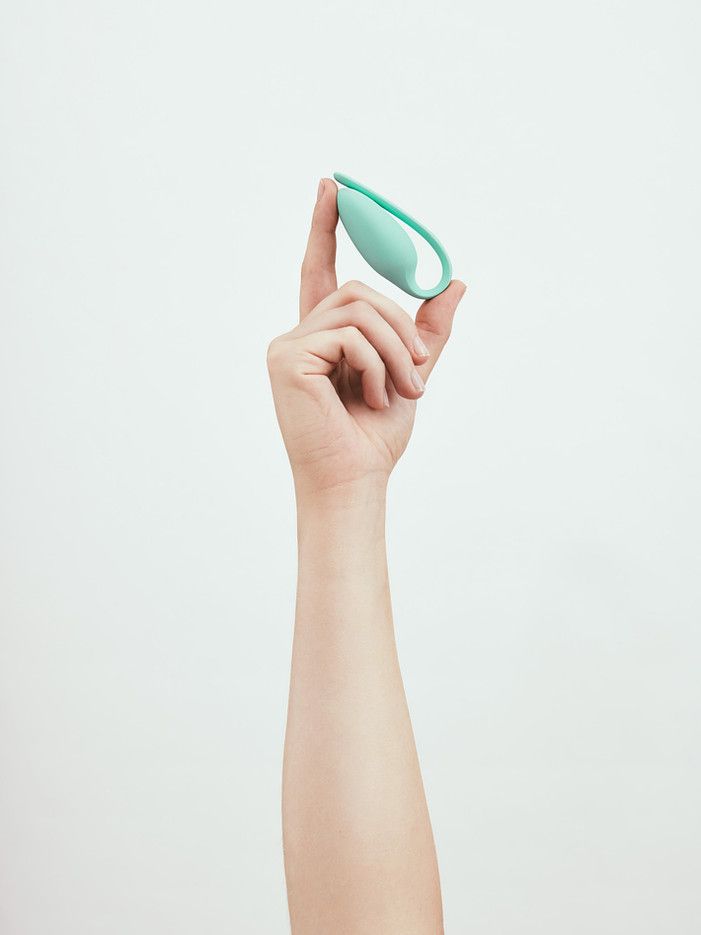
Pelvic Floor Support Products and Their Role in Daily Life Management
Introduction
Pelvic floor support products are designed to help individuals manage the effects of weakened pelvic muscles. These muscles are responsible for supporting the bladder, bowel, and reproductive organs, and they also play a key role in posture and core stability. When they lose strength due to childbirth, aging, surgery, or chronic strain, support products can provide relief, stability, and improved comfort in everyday life.
Unlike strengthening devices or exercise tools, pelvic floor support products focus on reducing pressure and assisting the body externally or internally so that daily activities become easier and more comfortable.
Why Pelvic Support Becomes Necessary
The need for pelvic floor support usually develops gradually. Many people do not notice pelvic muscle weakening until symptoms start interfering with daily routines. Pregnancy, vaginal delivery, menopause, obesity, chronic coughing, heavy lifting, and aging are all common contributing factors.
When these muscles weaken, organs in the pelvic area may shift downward slightly, creating a sensation of heaviness or pressure. Some individuals may also experience urinary leakage or discomfort during movement. Pelvic support products help reduce these symptoms by providing structural assistance.
Common Types of Pelvic Floor Support Products
Pelvic support products come in different forms depending on the severity of symptoms and individual needs.
Internal Support Devices
Pessaries are the most common internal support devices. These are inserted into the vaginal canal and are used primarily for pelvic organ prolapse. They help hold organs in their correct position, reducing pressure and improving comfort. They are usually fitted by healthcare professionals.
External Support Garments
These include specially designed underwear or compression garments that provide gentle support to the lower abdomen and pelvic region. They are often used for mild weakness or postpartum recovery.
Support Belts
Pelvic support belts are worn externally and help stabilize the lower abdomen and pelvic area. They are especially useful during physical activity or periods of increased strain.
Postpartum Support Wear
After childbirth, the pelvic floor undergoes significant stress. Support garments designed for postpartum use help reduce discomfort and assist the body during the early healing stages.
Benefits of Pelvic Floor Support Products
One of the primary benefits of pelvic support products is reduced discomfort. By providing external or internal support, they help relieve pressure on weakened muscles and improve overall comfort.
They also improve mobility. Many individuals with pelvic weakness avoid walking, standing for long periods, or exercising due to discomfort. Support products make movement easier and more stable.
Another benefit is improved confidence. Pelvic issues such as leakage or prolapse can affect emotional wellbeing. Support products help reduce symptoms and allow individuals to feel more secure in social and physical situations.
They are also important for postpartum recovery, as they help new mothers regain stability while their bodies heal.
Who Can Use These Products
Pelvic floor support products are suitable for a wide range of individuals. Women with pelvic organ prolapse benefit significantly from internal support devices. Postpartum women often use external garments and belts to aid recovery. Older adults experiencing muscle weakening also benefit from improved stability and comfort.
People recovering from pelvic surgery may use these products temporarily, while individuals with mild incontinence or pelvic pressure may use them for daily support.
Choosing the Right Product
Selecting the right pelvic support product depends on symptoms and lifestyle needs. Mild cases may only require compression garments, while more severe cases may require medical devices like pessaries.
Comfort and fit are extremely important. A poorly fitted product may reduce effectiveness and cause discomfort. Breathable materials and adjustable designs are often preferred.
Medical advice is essential for internal devices to ensure proper fitting and safe use.
Safe Usage and Maintenance
Proper use ensures both safety and effectiveness. Internal devices must be cleaned regularly and checked by healthcare professionals. External garments should be washed frequently to maintain hygiene.
Overly tight products should be avoided, as they may restrict movement or cause discomfort. Any persistent pain should be evaluated by a medical professional.
Conclusion
Pelvic floor support products provide essential assistance for individuals experiencing pelvic weakness or related conditions. They improve comfort, reduce pressure, and help maintain daily activities with greater ease. When used correctly, they can significantly enhance quality of life and support long-term pelvic wellbeing.
